
Updates & Blog
Southern Forests: Keeping Rural Economies Strong
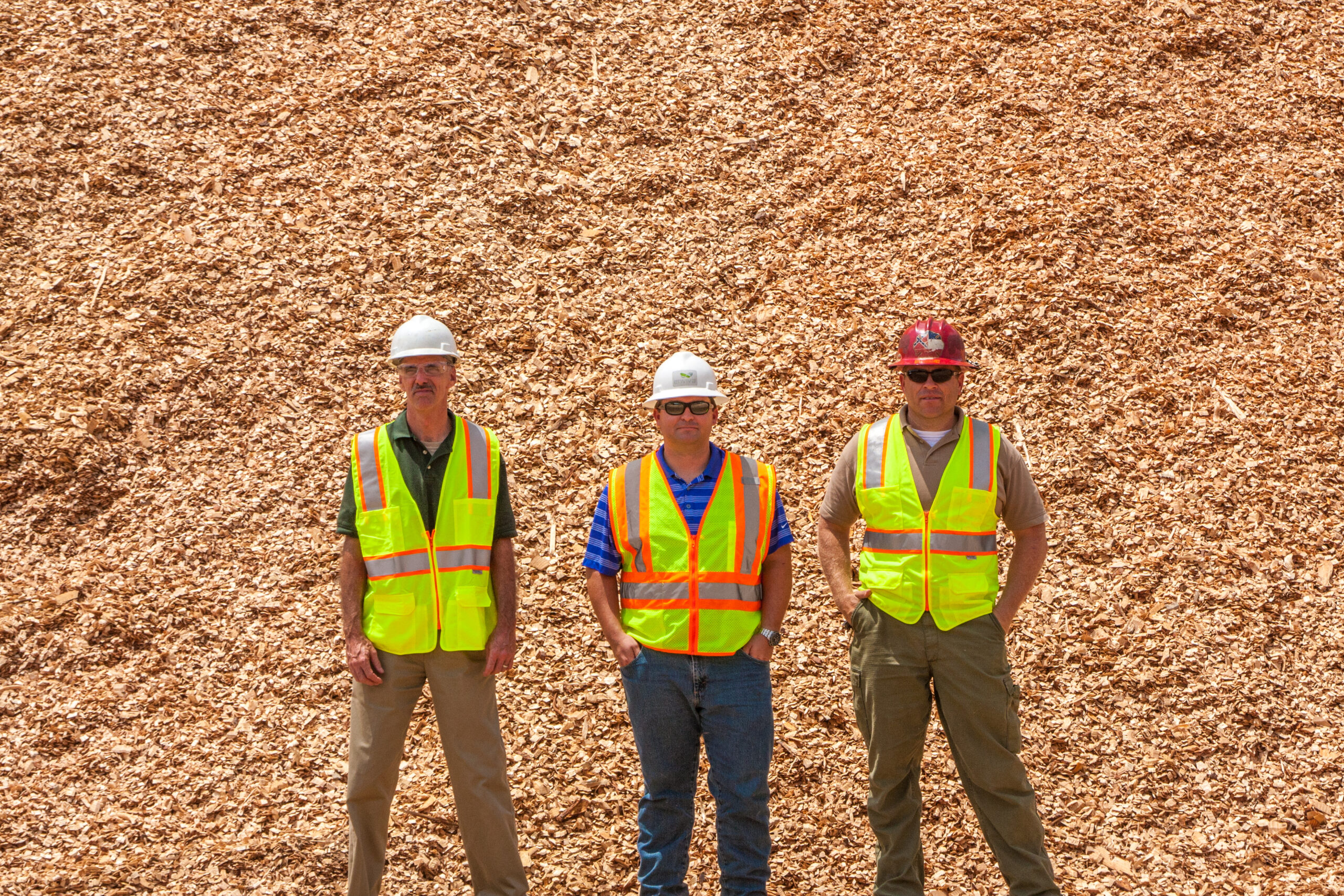
Driving through the rural American South, past the pines in Florida and Georgia, the hardwood stands in Arkansas and Tennessee, or the mixed forests of the Carolinas, you’ll witness an economic engine that’s been powering communities for generations. Southern forests aren’t just scenic backdrops; they’re the foundation of rural prosperity, supporting hundreds of thousands of jobs, and anchoring the economic vitality of small towns across the region.
The Backbone of Rural Manufacturing
In the South, forestry isn’t a declining industry clinging to the past, it’s a dynamic sector adapting to modern market demands while maintaining its role as a cornerstone of rural employment. From lumber mills to paper plants, and biomass facilities to engineered wood manufacturers, forest product industries provide the kind of stable, family-wage jobs that small communities depend on.
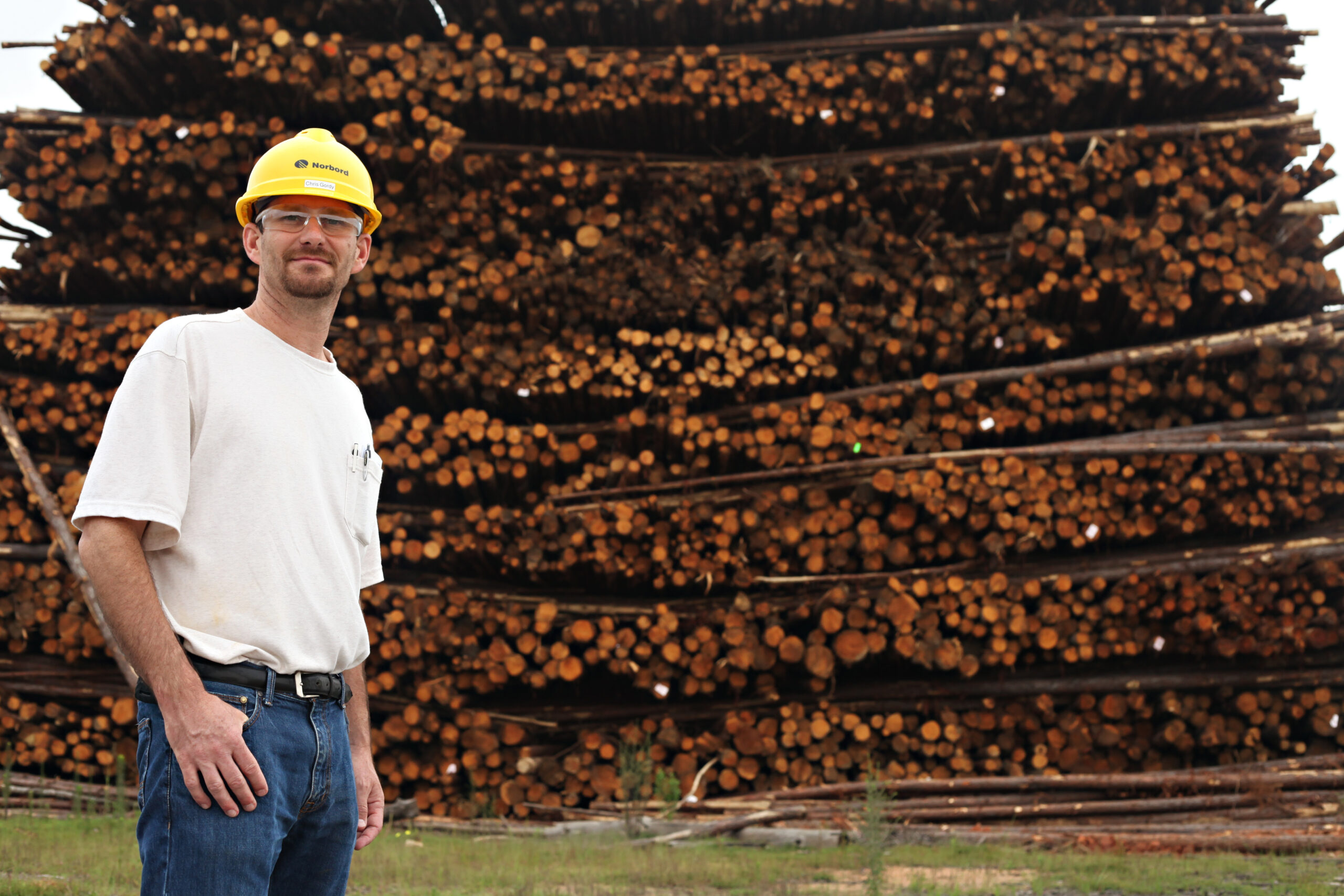
These aren’t just jobs, however – they’re careers. Mill workers, loggers, foresters and truck drivers earn wages that support local schools through property taxes, keep Main Street businesses thriving, and allow families to build wealth in communities where opportunity can be scarce.
Economic Impact: The Numbers Tell the Story
The scale of southern forestry’s economic contribution is staggering. Across the entire U.S. South, forestry and forest products manufacturing employ over 1.3 million people and generate more than $250 billion in economic output annually. These aren’t abstract statistics; they represent real families in real American communities.
Economic Impact by State
(click state to expand)
Alabama
Alabama’s forest industry contributes over $36 billion to the state economy, supporting approximately 123,000 jobs. In rural counties across the state, forest product manufacturing represents one of the largest employment sectors, providing economic stability in areas that have faced industrial decline in other sectors.
Arkanas
Arkansas has the second most timber-dependent economy in the nation. The forestry industry contributes between $4 and $6 billion to the state’s GDP, with direct employment of nearly 27,000 individuals and supporting an additional 24,000 jobs in associated industries and more than 50,000 total jobs across the state.
Florida
Florida’s forest industry contributes approximately $25 billion annually to the state’s economy and supports around 124,000 jobs. The industry plays a critical role in sustaining rural livelihoods and providing ecosystem services that benefit the entire state.
Georgia
Georgia’s forest industry generates roughly $42 billion in economic output while sustaining around 145,000 jobs. The sector remains a major part of the state’s manufacturing base and continues to anchor rural economies.
Kentucky
Forestry contributes more than $19 billion to Kentucky’s economy and supports over 60,000 jobs. The forest sector is a key part of the state’s manufacturing and export economy, with strong ties to the hardwood industry.
Louisiana
Forestry is Louisiana’s second-largest manufacturing employer, generating an annual economic impact of $13 billion and supporting approximately 45,000 jobs. Forest products manufacturing provides a steady source of income in rural parishes.
Mississippi
Forestry contributes more than $13 billion annually to Mississippi’s economy and provides employment to approximately 61,000 Mississippians. Timber remains the state’s second most valuable agricultural commodity, underscoring its importance to local economies.
North Carolina
North Carolina’s forest sector contributes $40.5 billion to the state’s economy, supporting approximately 143,000 jobs. The industry remains the top manufacturing sector in the state, employing more workers than food manufacturing.
Oklahoma
Oklahoma’s forest industry contributes about $3.3 billion annually to the state economy and supports roughly 19,000 jobs. Forest-based manufacturing and sustainable timber production are key economic drivers in the southeastern region.
South Carolina
South Carolina’s forest industry contributes $23.2 billion to the state economy and supports approximately 100,000 jobs. Forestry ranks among the top five manufacturing sectors in the state, fueling growth in rural communities.
Tennessee
Tennessee’s forest products industry contributes about $21 billion annually to the state economy, providing employment for over 100,000 workers. The sector supports thousands of family landowners who supply timber to mills statewide.
Texas
Texas’ forest sector contributes $41.6 billion to the state’s economy and supports approximately 172,000 jobs. East Texas remains a highly productive timber region, supporting both domestic and export markets
Virginia
Virginia’s forestry and forest products industries contribute $21 billion annually to the state’s economy and employ more than 108,000 people. The sector supports both traditional wood manufacturing and emerging markets like mass timber.
Puerto Rico
Puerto Rico’s forestry and forest products sector is small but growing, contributing approximately $29 million annually to the island’s economy and supporting more than 350 jobs. Reforestation and community forestry initiatives continue to expand the island’s forest cover, creating local employment opportunities and environmental benefits.
U.S. Virgin Islands
The U.S. Virgin Islands’ forestry sector contributes an estimated $8 million annually through forest-related services, restoration, and community tree care programs. While limited in scale, forestry investments play a vital role in enhancing watershed protection, biodiversity and local workforce development.
Understanding the Stakes
The recent wave of mill closures across the South underscores just how vital these operations are to local economies. When the pulp and paper mill was shut down in Calhoun, Tennessee, about 350 people lost their jobs – an impact that rippled through restaurants, schools and small businesses in McMinn County.

In South Carolina, two sawmills recently closed in Darlington and Estill, and the Red River mill in Campti, Louisiana is eliminating hundreds of positions. In Perry, Florida, the permanent closure of their single remaining sawmill, following the shutdown of the Foley Cellulose plant, has left the town without a single operating mill for the first time in generations.
Each decision has been driven by complex market forces from high fiber costs to shifting global demand. However, the impact on those communities is profound. Nearly 90% of southern forestland is privately owned – much of it cared for by families who’ve stewarded these landscapes for generations. For many families, timber income isn’t just about profit; it can mean paying for a child or grandchild’s college tuition, funding retirement, or keeping family land intact for the next generation. Without viable timber markets, landowners often have little choice but to sell or repurpose their forestland.
These decisions are rarely made out of preference, as most families would rather keep their woods standing. When forestland is gone, the surrounding communities lose both economic opportunities and natural benefits like clean air and water, wildlife and game habitat, and outdoor spaces to enjoy.
Adaptation and Investment: The Path Forward
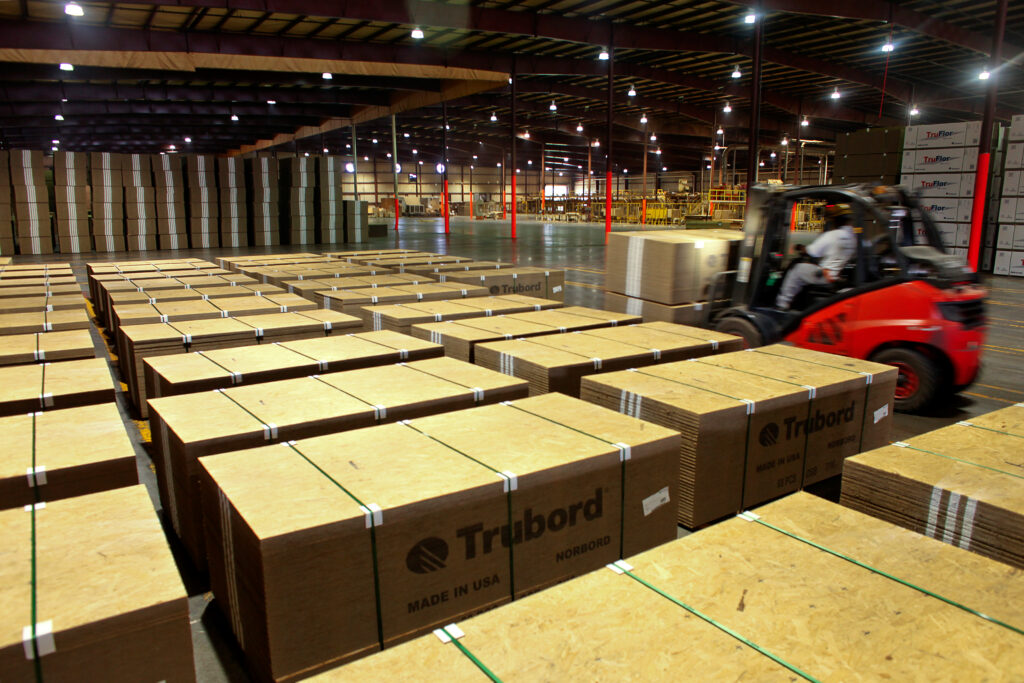
The good news is that the southern forestry sector is proving resilient through innovation and investment. Rather than retreating, many companies are doubling down on the region’s forestry infrastructure. A few examples of key investments happening in the South include:
(click to expand)
$500 million investment in Drew County, Arkansas
Weyerhaeuser announced a $500 million investment in Drew County, Arkansas, to build a new laminated strand lumber facility. The project will create approximately 200 direct jobs plus another 300 jobs in related industries and support, adding an estimated $25 million annually to the region’s payroll while providing critical markets for landowners practicing active forest management through thinning operations.
$160 million in St. Francisville, Louisiana
Hood Container Corporation, an American family-owned company, has invested more than $160 million in its St. Francisville, Louisiana, paper mill since acquiring and reopening the facility in 2015. In 2025, the company announced an additional $118.9 million modernization project that will increase production capacity by about 80,000 tons per year and purchase approximately 204,000 tons of wood chips annually–a boost that directly supports Louisiana’s timber suppliers and forest landowners. The mill currently employs 295 people, maintaining one of the strongest industrial workforces in West Feliciana.
$575 million in Allendale, South Carolina
West Fraser has invested approximately $350 million in its oriented strand board (OSB) facility in Allendale, South Carolina, creating 135 jobs in one of the state’s most economically challenged counties. This investment demonstrates confidence in southern timber markets and provides essential income for hundreds of family forest landowners in the region.
Hampton Lumber, a producer of sustainable building materials, also selected Allendale to establish the company’s first sawmill on the East Coast. This $225 million investment will create at least 125 new jobs.
Beyond these large capital projects, southern forestry is also entering a new era of wood innovation. The region is emerging as a leader in mass timber construction, where engineered wood panels and beams are being used in place of steel and concrete in mid-rise buildings.
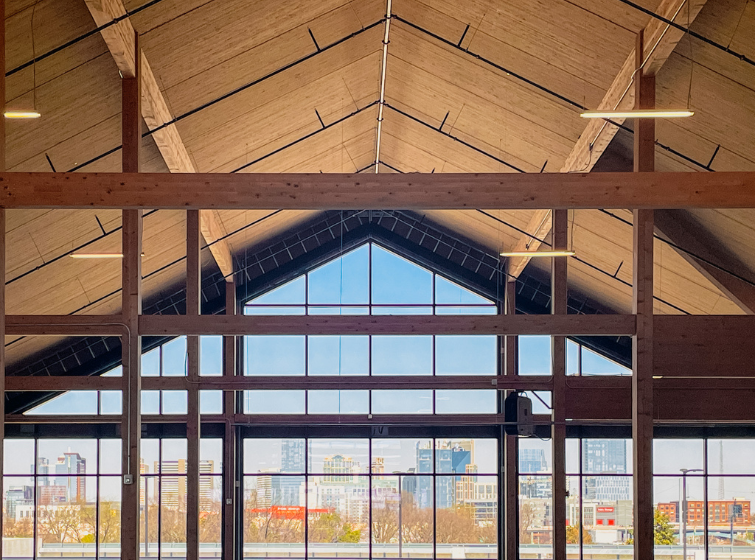
In Dothan, Alabama, SmartLam North America operates the first CLT (cross-laminated timber) plant in the Southeast, supplying southern yellow pine panels for schools, offices, and multifamily developments across the region. The University of Arkansas’s Anthony Timberlands Center for Design and Materials Innovation is serving as both a research hub and a showcase for mass timber architecture, demonstrating how southern-grown wood can support sustainable metropolitan development.

At the same time, research institutions like Georgia Tech’s Renewable Bioproducts Institute, Mississippi State University’s Forest and Wildlife Research Center, the University of Florida’s Institute of Food and Agricultural Sciences, and Clemson University’s Wood Utilization + Design Institute are pioneering advances in nanocellulose, bio-based composites, and mass-timber applications. These institutions are developing renewable materials and construction technologies that strengthen southern forestry’s connection to innovation and sustainability.
While these investments represent encouraging commitments to rural communities and forest markets, the scale and pace of new mill development must accelerate to match the South’s vast timber resources and ensure that all landowners–from east Texas to the Virginia piedmont–have viable markets that keep their forests economically productive and ecologically intact.
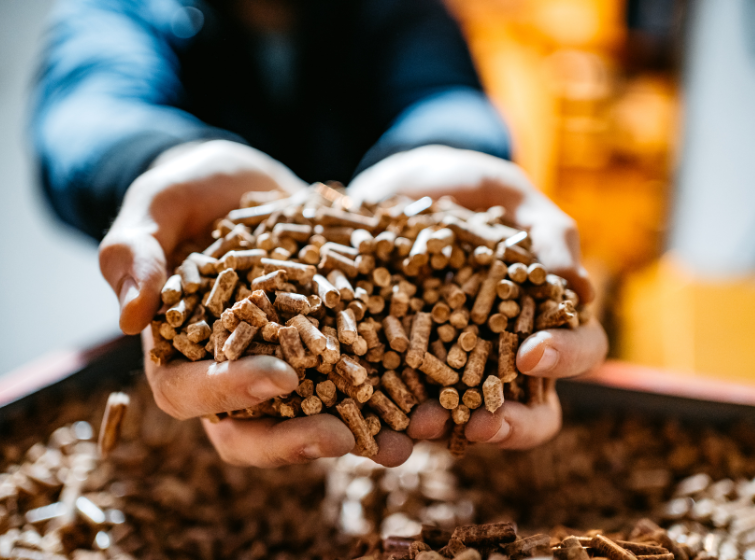
Together, these investments and innovations can continue to shape a stronger, more diverse forest economy When mills operate nearby, forest landowners have reliable, local markets for their timber. Sustainable harvests, from selective thinnings that improve forest health to carefully planned harvests that make way for new growth, help maintain resilient forests while supporting rural livelihoods. Managed with care, these forests keep renewing themselves while sustaining the families, wildlife and communities that rely on them.
Beyond Economics: The Environmental Dividend
Here’s the powerful truth that sometimes gets lost in economic discussions: keeping forests economically viable also keeps them standing. Those working forests provide clean water for downstream communities, counteract pollution, provide wildlife habitat, and offer recreational opportunities for hunting, fishing, and hiking.
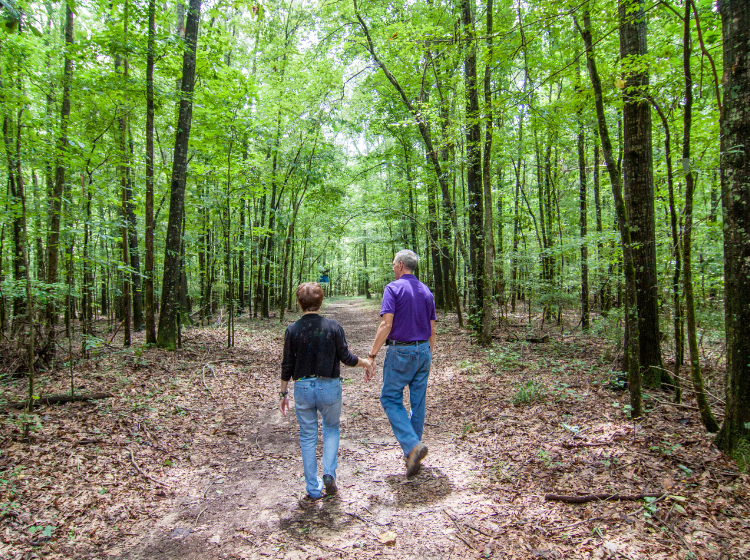
Across the U.S. South, forests cover a major portion of the land base, underpinning a portfolio of forest-industry operations that support more than 400,000 jobs and generate over $250 billion in economic activity at wages of more than US $53 billion. These forests provide clean water for communities, habitat for species, carbon storage, and deliver the lion’s share of the nation’s timber output. The economic and environmental benefits are inseparable.
When southern mills create demand for timber, they incentivize the sustainable management and regeneration of forests. After harvest, landowners replant—usually within a year. Those young forests grow vigorously and clean the air more rapidly while providing early successional habitat that many wildlife species need. In 30-40 years, those trees are ready for harvest again, and the cycle continues.

Economic and environmental outcomes don’t exist in isolation. Both depend on a thriving manufacturing network built on sustainably managed forests.
The Manufacturing Connection
Southern forests don’t just supply nearby mills. They help power America’s broader manufacturing network. As of 2025, southern softwood lumber mill capacity exceeds 28 billion board feet – a 35% increase since 2017. This growth underscores why the South is often considered the “woodbasket of the world.’ Abundant timber resources, skilled workers and established infrastructure make the South a cornerstone of U.S. forest products manufacturing.
![Sheets of OSB exit the press at Norbord's wood production facility in Kinards, South Carolina on August 1, 2013. [Photograph by Joel Prince]](https://southernforests.org/wp-content/uploads/2025/11/49611645182_438bdc56cd_o-1024x683.jpg)
Lumber from southern pine forests frames homes across the country. Paper products from mills throughout the South package everything from online deliveries to food and household goods. Hardwood lumber and panels from North Carolina, Tennessee, and beyond become cabinetry, flooring, and furniture made in the region’s factories. Engineered wood products from Arkansas and Louisiana mills support construction projects nationwide.
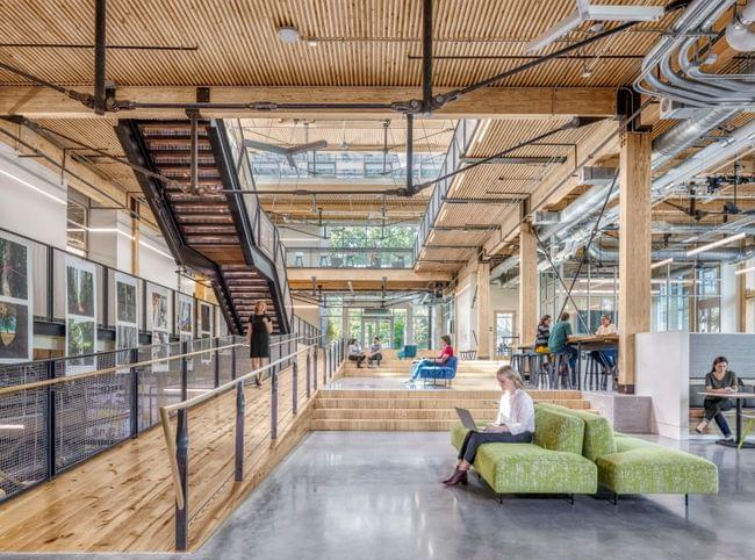
This link between active forest management and wood-based manufacturing highlights how economic opportunity and good stewardship can reinforce one another. Wood is renewable, environmentally beneficial and domestically sourced. Strengthening southern forestry means strengthening American manufacturing independence and reducing reliance on imported materials.
Small Towns, Big Impact
Visit towns like Monticello, Arkansas, or small communities in Sabine County, Texas, and you’ll find places where forestry isn’t just part of the economy—it is the economy. Local high schools offer forestry programs. Community colleges train heavy equipment operators and mill maintenance technicians.
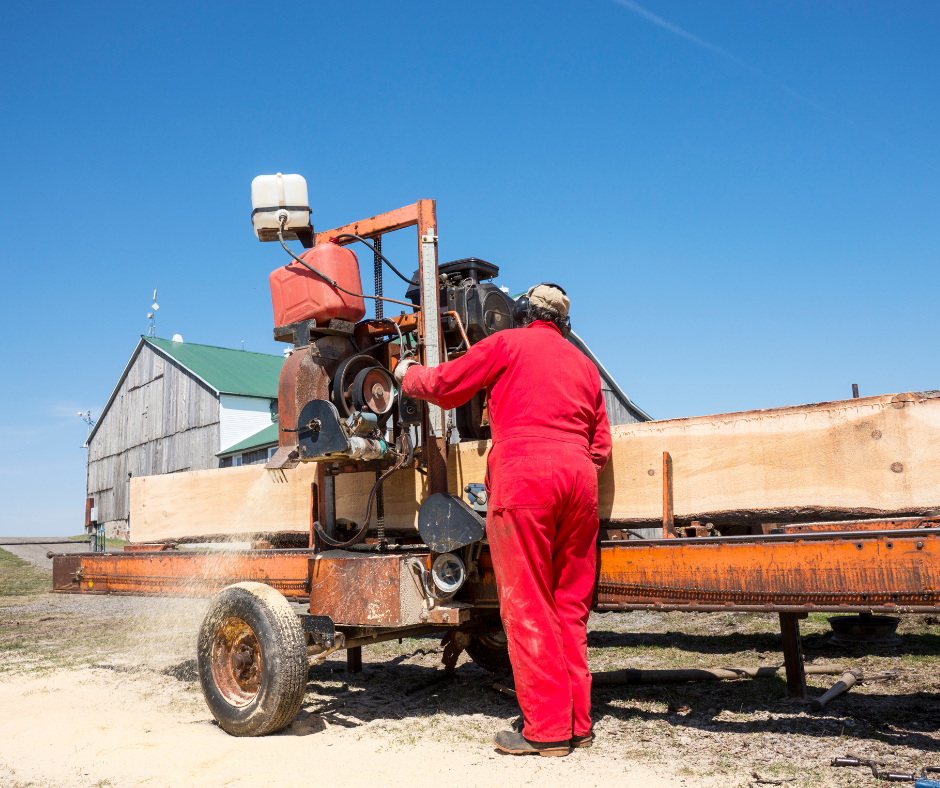
When mills expand or new facilities open, a multitude of benefits cascade through these communities. New jobs mean more customers for local businesses, increased tax revenues for schools and infrastructure, and renewed hope for young people who want to stay in their hometowns rather than moving away to larger cities for job opportunities.
The Policy Imperative

Maintaining strong rural forest economies requires more than market forces alone. Sound public policy plays a crucial role:
- Tax policies must recognize the long-term nature of forest investments to help family landowners keep their forests intact across generations, and the risk associated with those assets from natural disasters
- Transportation infrastructure investments must ensure that timber can move efficiently from forests to mills
- Trade policies must support use of domestically-sourced wood, both at home and abroad, to create demand for southern timber while generating American jobs and strengthening America’s trade position globally (forestry in the Southern Region is responsible for billions in international sales)
- Regulatory approaches must recognize the environmental benefits of working forests
States across the south have been seeing the results of federal investment in private forests for decades through active collaboration. Through programs like Forest Stewardship and Cooperative Forestry partnerships, southern state forestry agencies are delivering the technical assistance, matching funds, and providing landowner incentives that help growers keep forests healthy and economically viable. Southern state forestry agencies translate federal forest policy into real on-the-ground outcomes: expanding markets, supporting reforestation, and building rural economic resilience.
Looking Ahead
The future of southern rural economies is inseparable from the future of southern forests. As traditional industries have shifted, forestry has remained a steady force—evolving through innovation, investment, and stewardship while continuing to sustain rural communities.
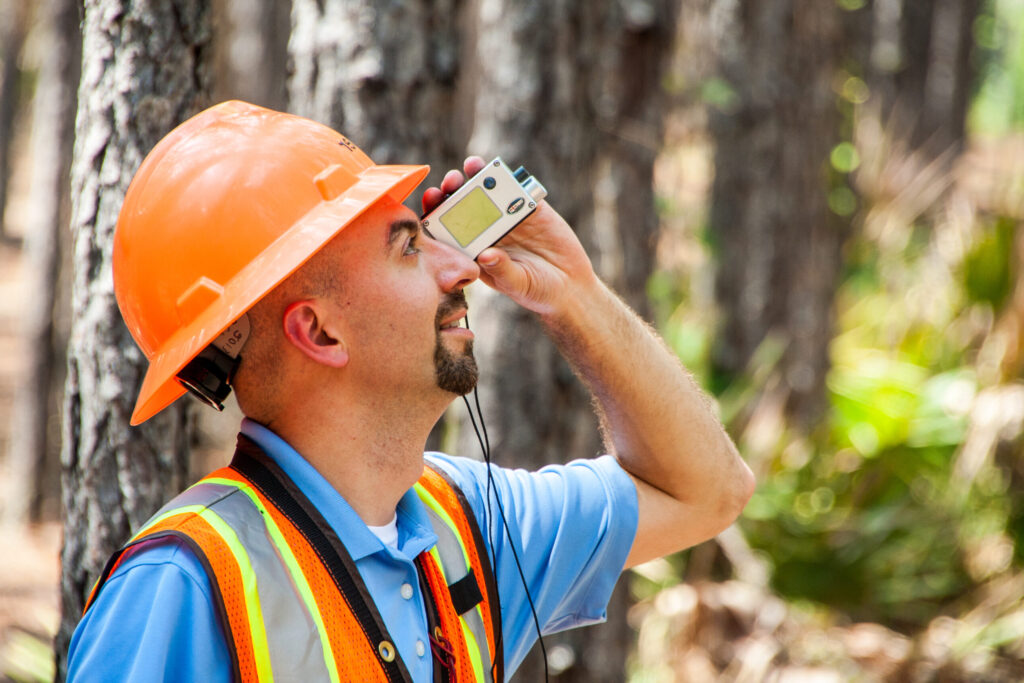
The next chapter of that story depends on keeping forestry both economically viable and forward-thinking. Emerging technologies in forest management, wood utilization, and product development, from mass timber to nanocellulose, are reshaping how we use and value southern forests.
The health of southern forests and the people who depend on them are bound together. When we invest in the future of forestry, we invest in the future of every small town and family whose lives are tied to the land.
If you want to learn more about policy issues affecting the forest products industry in the South, contact our Policy Director, Tim Foley, or reach out to your local state forestry agency.
