
Updates & Blog
A Direct Ask for Wildland Firefighters During Firefighter Cancer Awareness Month
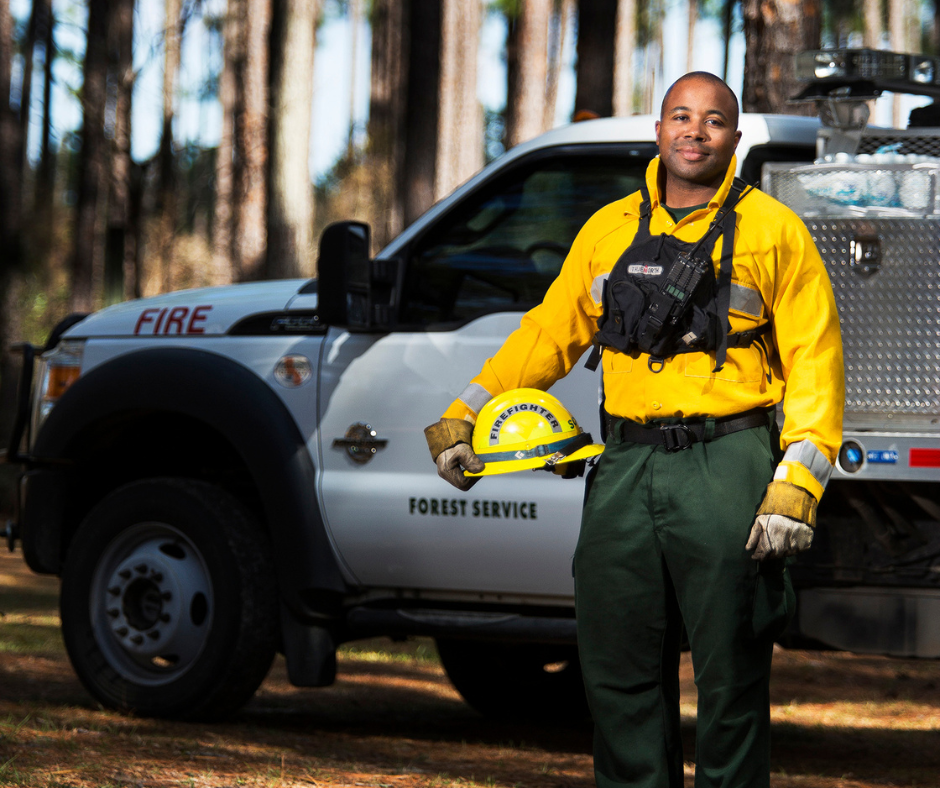
If you have ever worked on a wildfire, this matters to you.
January is Firefighter Cancer Awareness Month, and wildland firefighters are being encouraged to take one concrete step to help shape the future of firefighter health and safety: enrolling in the National Firefighter Registry for Cancer at NFR.CDC.gov.
According to the National Institute for Occupational Safety and Health (NIOSH), enrollment involves completing an initial questionnaire, which takes about 30 minutes to complete. Whether you are early in your career or long retired, and whether you have ever been diagnosed with cancer or not, participation from wildland firefighters is essential to ensuring that the research reflects the realities of wildland fire management and response.
Why This Matters for Wildland Firefighters
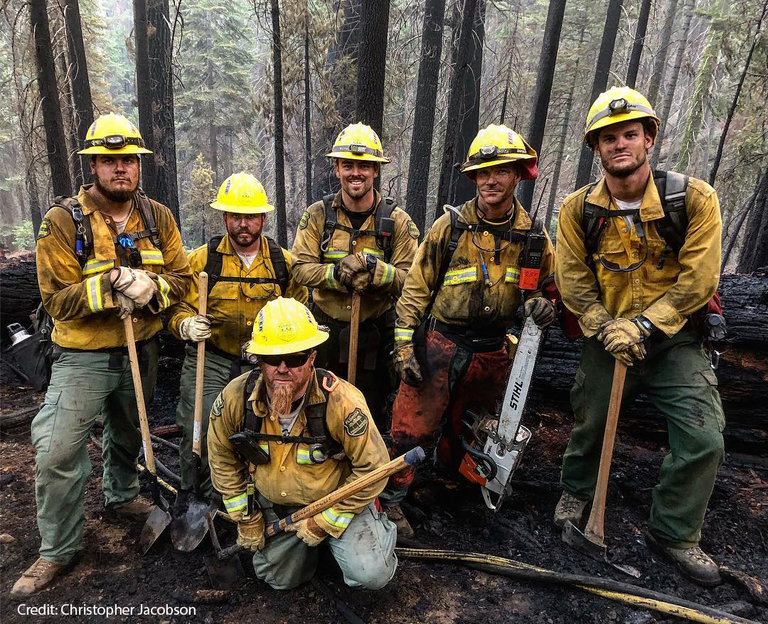
Wildland firefighters experience long fire seasons, repeated smoke exposure, extended shifts and cumulative occupational exposure over the course of a career. Broad studies have shown that while firefighters may face increased cancer risk overall, significant gaps remain in understanding how different types of firefighting exposures contribute to long-term health outcomes. Wildland firefighters have often been underrepresented in data used to inform health guidance, exposure mitigation strategies and policy decisions as much of the existing firefighter cancer research has historically focused on structural firefighting.
According to NIOSH, the National Firefighter Registry for Cancer was created in part to address these gaps by capturing occupational information that is not typically collected by state cancer registries, including information relevant to wildland firefighting assignments and exposure histories.
What is the National Firefighter Registry for Cancer?
The National Firefighter Registry for Cancer (NFR) is a nationwide registry established by NIOSH, part of the Centers for Disease Control and Prevention (CDC). According to NIOSH, it is the only registry of its kind in the United States and has grown to become the largest firefighter registry in the world.
The registry was authorized by Congress through the Firefighter Cancer Registry Act of 2018. NIOSH materials explain that, although cancer diagnoses are reported to state health departments, most states do not collect detailed information about professional occupations. This limits researchers’ ability to study relationships between occupational exposures and cancer outcomes.
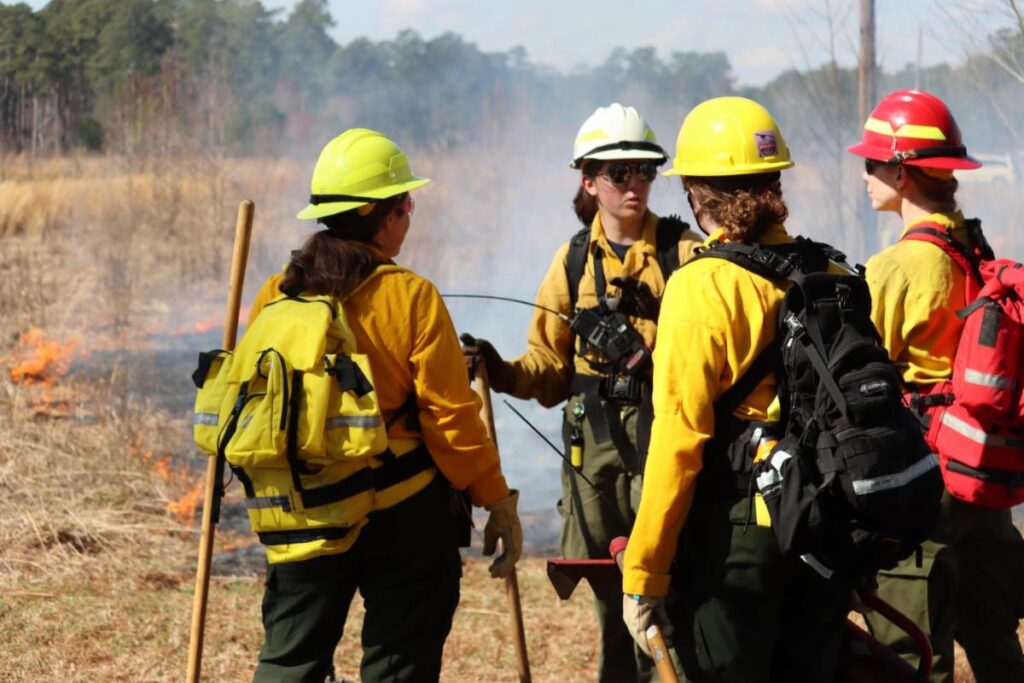
According to NIOSH, the NFR was designed to fill this gap and improve research by asking firefighters to voluntarily provide work history and exposure information which can be connected, in a protected manner, with cancer registry data.
Who Should Enroll?
According to NIOSH, the National Firefighter Registry for Cancer is open to all U.S. firefighters, including:
- Wildland firefighters
- Structural firefighters
- Career and volunteer firefighters
- Active and retired firefighters
- Fire instructors, investigators and other fire service professionals
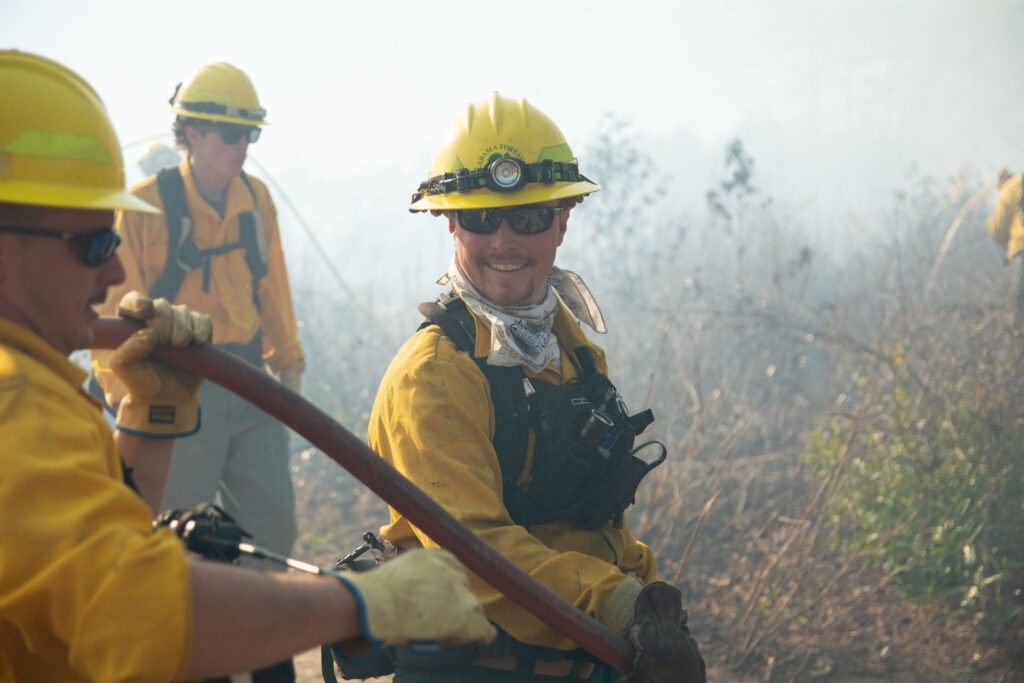
NIOSH materials emphasize that firefighters without cancer are just as important to the registry as those who have been diagnosed. Participation from both groups allows researchers to better understand why some firefighters develop cancer and others do not, and how occupational exposures may influence risk over time.
Privacy and Data Protection
According to NIOSH, privacy and data security for enrollees are identified as top priorities. NIOSH materials state that firefighter information is stored securely and accessed only by authorized researchers for approved research purposes.
NIOSH also notes that participants may be invited to complete voluntary follow-up questionnaires about once a year as part of the registry’s long-term research goals.
Why Participation Matters
NIOSH reports that more than 32,000 firefighters have already enrolled in the National Firefighter Registry for Cancer, with a long-term goal of enrolling 200,000 firefighters nationwide.
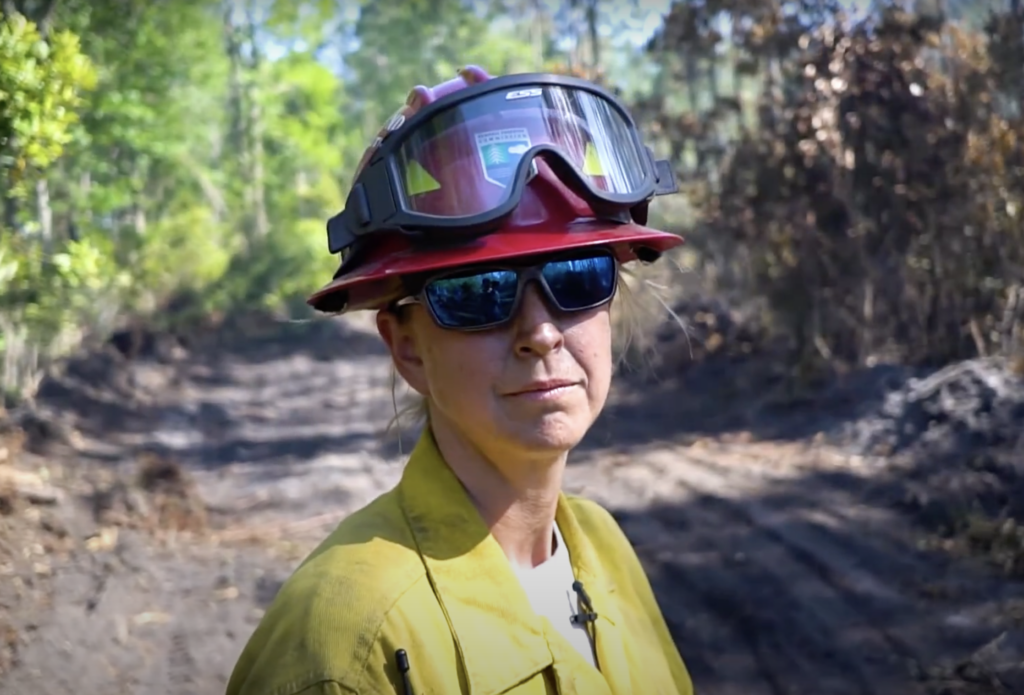
According to NIOSH, larger participation strengthens the quality of research findings and improves their ability to develop science-based recommendations to reduce cancer risk across the fire service, including for wildland firefighters.
To help explain the registry and why participation matters, NIOSH has released two short informational videos that can be shared within crews, agencies, and training settings:
A Direct Ask for the Wildland Fire Community
According to NIOSH, the National Firefighter Registry for Cancer is intended to improve understanding of cancer risk and support prevention strategies across the fire service.
For wildland firefighters, participation helps ensure that wildfire smoke exposure, seasonal work patterns and cumulative career impacts are reflected in the data used to guide future health and safety decisions.
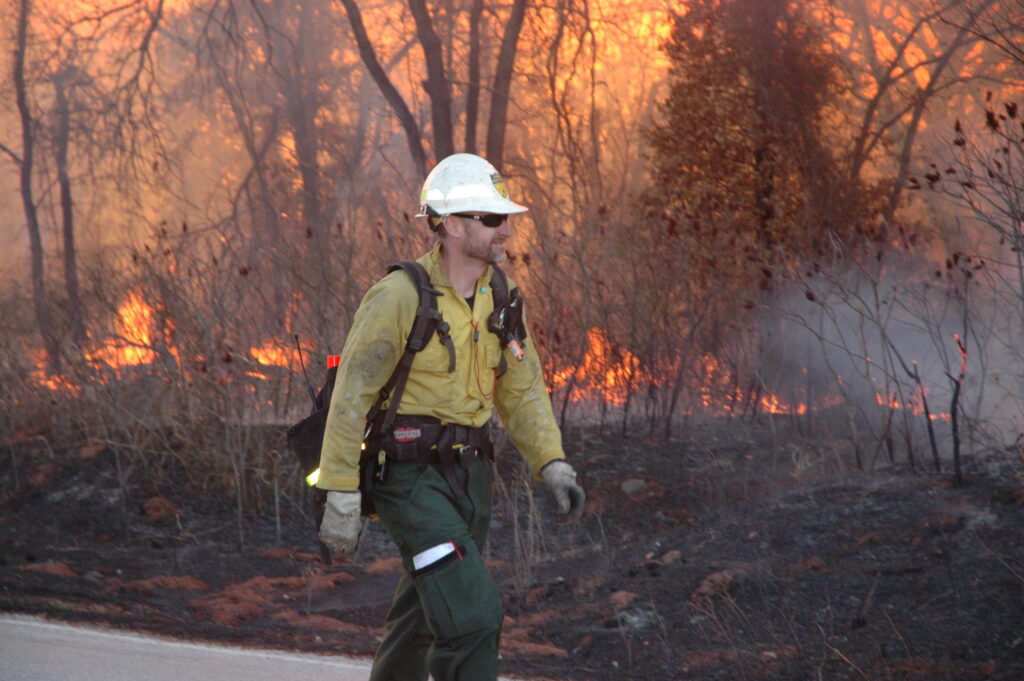
Wildland firefighters who want to learn more or review official information about the registry can visit NFR.CDC.gov.
Taking time to enroll and encouraging other wildland firefighters to do the same is one way to meaningfully contribute to a more informed and safer future for the wildland fire community and fire service overall.
