
Updates & Blog
As Water Demand Grows, Southern Forests Matter More Than Ever

August is National Water Quality Month, and questions about how the South protects and sustains its water resources are receiving renewed attention as communities grow and new industries and technologies increase demands on water supplies. The 245 million acres of southern forestland, including millions of acres of privately owned working forests that define much of our region, provide a natural system for protecting water resources at a landscape scale. Forested watersheds help protect water quality, reduce erosion and sediment, promote infiltration, regulate water flows and support clean, reliable water supplies for communities downstream.
That makes keeping forests as forests increasingly important as the South grows and innovates. Rather than viewing forests, economic growth and technological innovation as competing priorities, we have an opportunity to leverage the South’s abundance of healthy, working forests as part of the solution. New research is helping demonstrate just how valuable that solution already is.
The connection between forests and drinking water
A brand new 2026 report from the USDA Forest Service Southern Research Station, Benefits of Southern Forests for Drinking Water, provides new evidence for just how closely the region’s forests and drinking water are connected. Approximately 56.6 million people (about half of the South’s population) rely on rivers, streams, lakes and reservoirs for their drinking water. Those surface-water supplies are sustained by the watersheds that collect precipitation and feed rivers, reservoirs and other drinking-water sources. For 14 million Southerners, more than half of their drinking water originates on State- and privately owned forest land. That connection gives southern forests an important role in how we think about the region’s water needs moving forward.
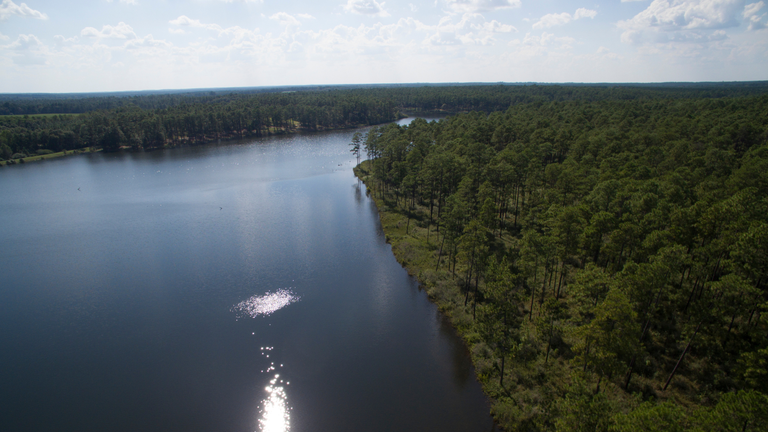
The research also found that forested watersheds, including those under active management for timber, were associated with lower concentrations of nutrients and sediment than watersheds under other land uses. Why does this matter? Higher concentrations of nutrients and sediment mean lower source-water quality, adding to the challenge of maintaining clean, reliable water supplies for the communities downstream. Their soils, root systems and vegetation promote infiltration, reduce erosion and help limit the amount of sediment and other pollutants reaching streams. In fact, based on observations from hundreds of monitoring sites across the South, researchers estimated that a 1% change from forest to developed land could correspond, on average, with approximately a 1.5% increase in total nitrogen concentration and a 1.9% increase in total phosphorus concentration.
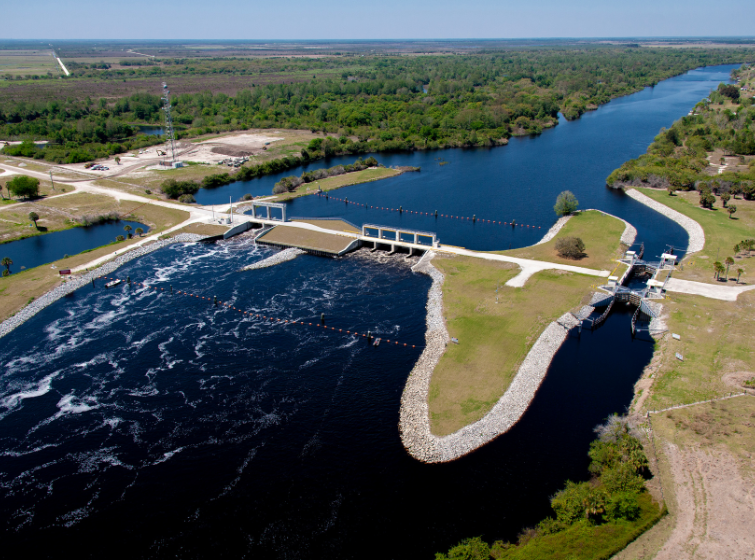
By protecting source-water quality, forests reduce the need for more chemical inputs and maintenance, mitigate the need for temporary shutdowns or drinking water advisories, and ultimately reduce the cost and complexity of treating drinking water. This all makes adequate forest retention critical as communities plan for new development, infrastructure and innovation. Growth will continue, but thoughtful planning can help ensure that it occurs alongside the forested landscapes that protect water quality and strengthen the resilience of our water resources. Maintaining healthy, working forests on the landscape is one way the South can help meet new demands while preserving the natural systems that communities already depend on.
Keeping forests as forests means supporting landowners
Almost 90% of southern forests are privately owned. Decisions made by private landowners therefore play an enormous role in determining whether the South continues to benefit from forested watersheds in the decades ahead. For those landowners, keeping land forested also has to remain financially sustainable. Working forests demonstrate that providing environmental benefits and producing renewable forest products do not have to be competing objectives. Sustainable forest management can keep land productive and economically valuable while allowing it to remain forested and continue providing water, wildlife, recreation and other ecosystem services.

The new report also points toward another opportunity: recognizing the economic value of those services themselves. Researchers suggest their findings could help inform the application of payment-for-ecosystem-services programs in which private forest landowners upstream of public water systems are compensated for the downstream benefits associated with keeping their land forested. As the value society places on clean, reliable water grows, there is an opportunity to better recognize the role landowners already play in providing it.
Part of the solution is already on the landscape
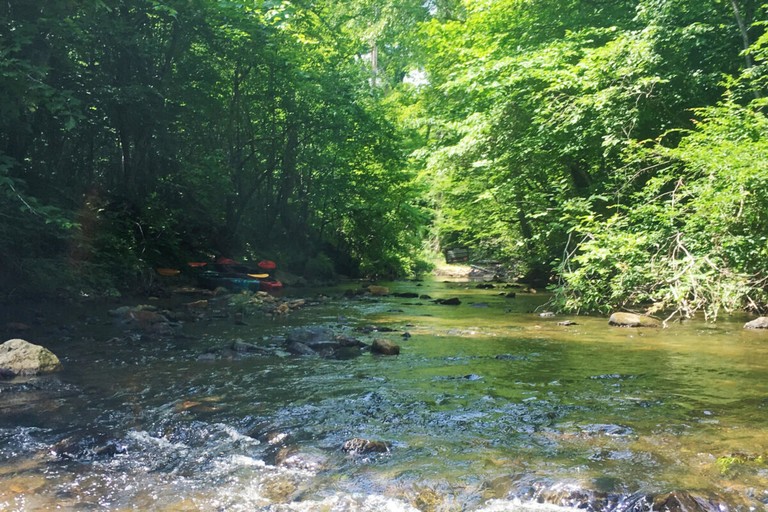
The South will continue to change. Communities will grow. Industries and technologies will evolve. And the questions surrounding how we use and protect our water resources will continue to evolve with them. Healthy, sustainably managed forests are not simply land waiting for another use. They are working landscapes providing renewable products, supporting rural economies and delivering essential ecosystem services at the same time. During National Water Quality Month, we are reminded that some of the infrastructure we need for the future is already growing all around us.
