
Updates & Blog
Fall Wildfire Risk Assessment Highlights Continued Drought Concerns Across the Southern U.S.
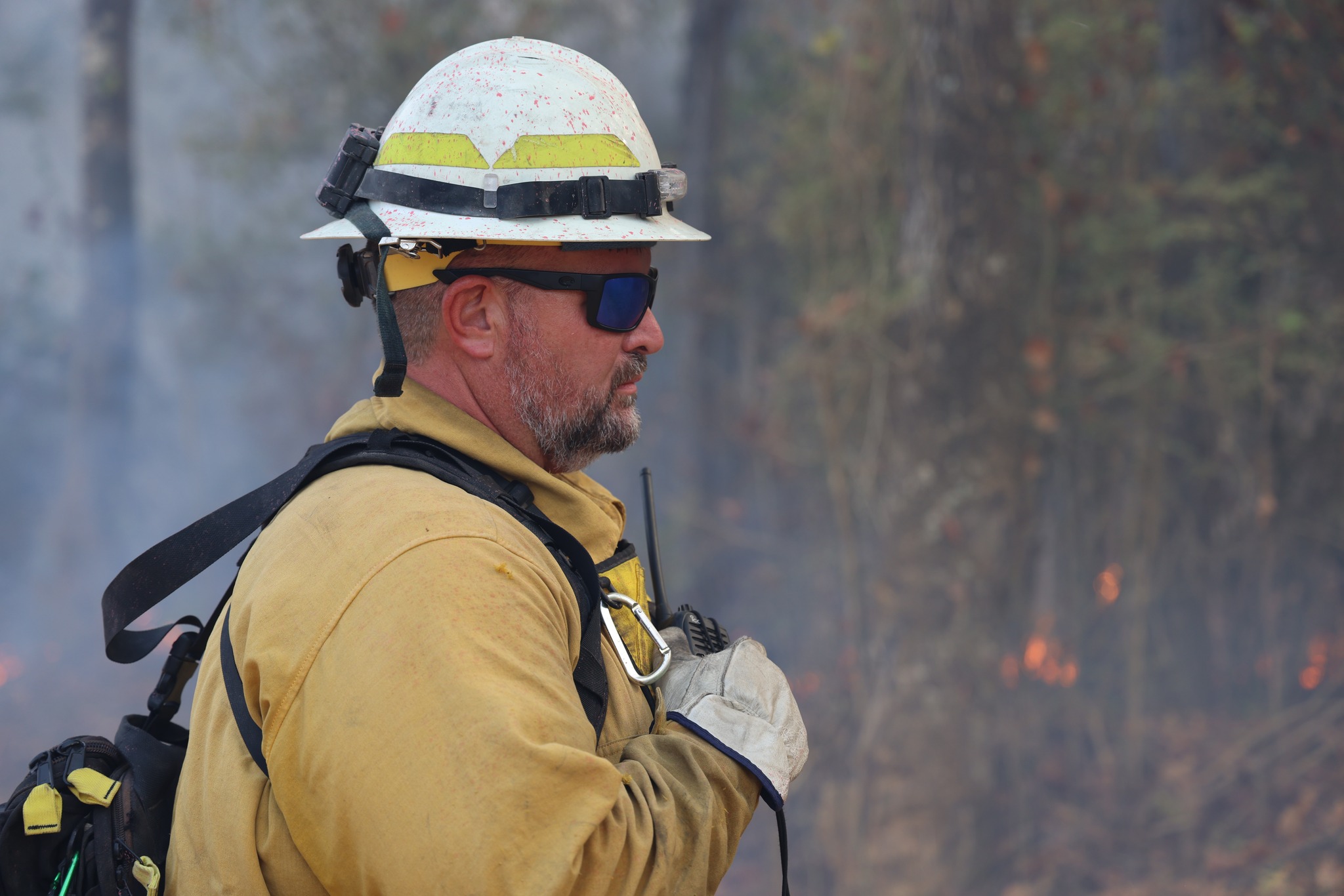
Interagency assessment identifies elevated wildfire potential despite recent rainfall across portions of the region
The Southern Area Decision Support Group has released its Fall 2026 Wildfire Risk Assessment, highlighting continued wildfire concerns across much of the Southern United States, following months of unusually hot and dry conditions.
The Southern Area Decision Support Group draws on expertise from the USDA Forest Service, U.S. Wildland Fire Service, Southern Group of State Foresters (SGSF) and National Oceanic and Atmospheric Administration (NOAA). Together, these partners analyze weather patterns, drought conditions, forest fuels and wildfire activity to provide critical information that supports wildfire preparedness, resource planning and operational decision-making across the South.
According to the assessment, prolonged drought has left soils and forest fuels (i.e. dry or flammable vegetation and debris) exceptionally dry in many areas, contributing to increased wildfire intensity and more challenging suppression conditions. While recent rainfall has provided some relief in portions of the region, underlying drought conditions remain a concern as the South enters its traditional fall period of increased wildfire activity.
“The recent rainfall is welcome, but it certainly won’t erase the months of persistent drought,” said Jim Prevette, Fire Director for the Southern Group of State Foresters. “We have to look beyond current conditions to anticipate where additional firefighting personnel and equipment might be needed, and how moving those resources could affect wildfire preparedness elsewhere in the region. With drought affecting multiple states, understanding those potential demands ahead of time is critical to ensuring we have the resources available where they’re needed most.”
The assessment identifies several factors that could influence wildfire potential in the coming months, including dry cold fronts, seasonal leaf fall, abundant grass fuels in Texas and Oklahoma, and storm-damaged timber remaining from Hurricane Helene and Winter Storm Fern. These conditions could contribute to the rapid spread of wildfires, increased fire intensity and lengthy suppression operations.
A strengthening El Niño is expected to bring above-normal precipitation to much of the South later this fall and winter, potentially reducing wildfire danger. However, uncertainty surrounding the timing of that rainfall leaves the possibility of elevated wildfire activity through October and November.
The assessment underscores the importance of continued coordination among federal and state wildfire management partners, whose combined expertise helps agencies identify emerging risks, anticipate operational challenges and prepare for changing wildfire conditions across the Southern region.
Read the full Southern Area Wildfire Risk Assessment: Fall Edition 2026.
