
Updates & Blog
2025 in Review: Building Momentum for Southern Forests
As 2025 comes to a close, the Southern Group of State Foresters looks back on a year defined by momentum and coordination across the South. State forestry agencies advanced shared priorities, strengthened regional alignment, and continued to lead on issues ranging from wildfire and disaster recovery to Shared Stewardship and federal engagement. Throughout the year, SGSF served as a forum for connection and consistency, helping keep the southern perspective clear and aligned as the region looks ahead to 2026.
Regional Coordination When It Matters Most
Southern state forestry agencies demonstrated the strength of established interstate partnerships throughout 2025, particularly through the Southeastern Interstate Forest Fire Protection Compact and South-Central Forest Fire Compact.
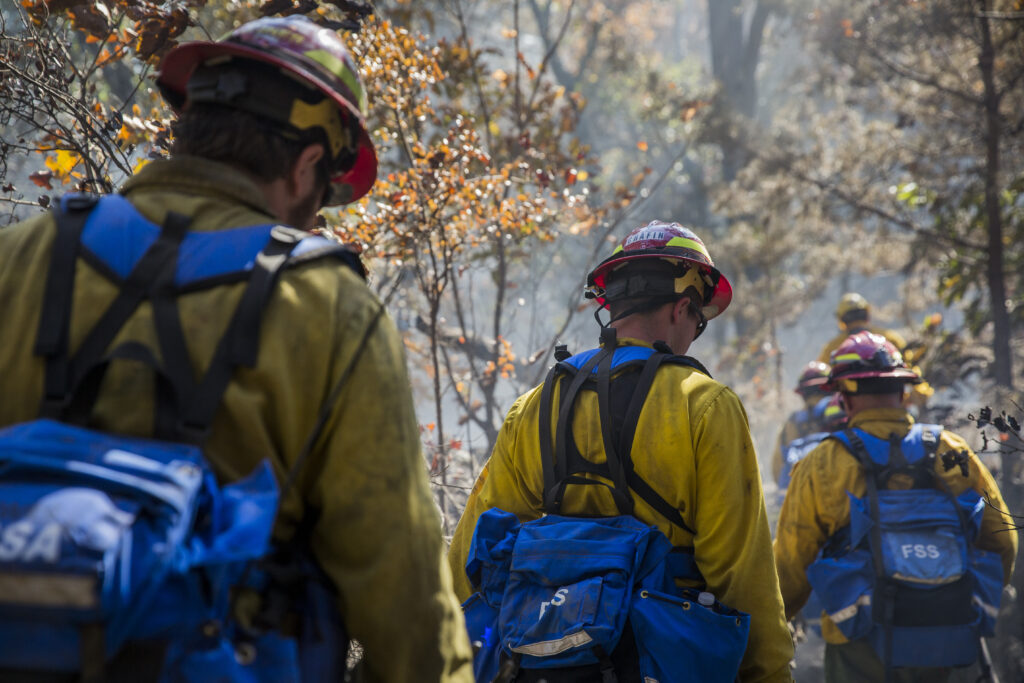
When North Carolina faced dangerous wildfire conditions in November following Tropical Storm Helene, southern states responded immediately. The Compact activation brought critical personnel and equipment to support local crews managing elevated fire risk and challenging fuel loads. Earlier in the year, states and interagency teams mobilized resources across multiple activations, including a 29-person Complex Incident Management Team from Florida supporting the Covington Drive Fire in South Carolina, and the Southern Area Blue Team deployed to the Table Rock Complex. Arkansas, Louisiana and Florida sent 24 personnel, eight dozers and five engines to support Oklahoma’s wildfire response.
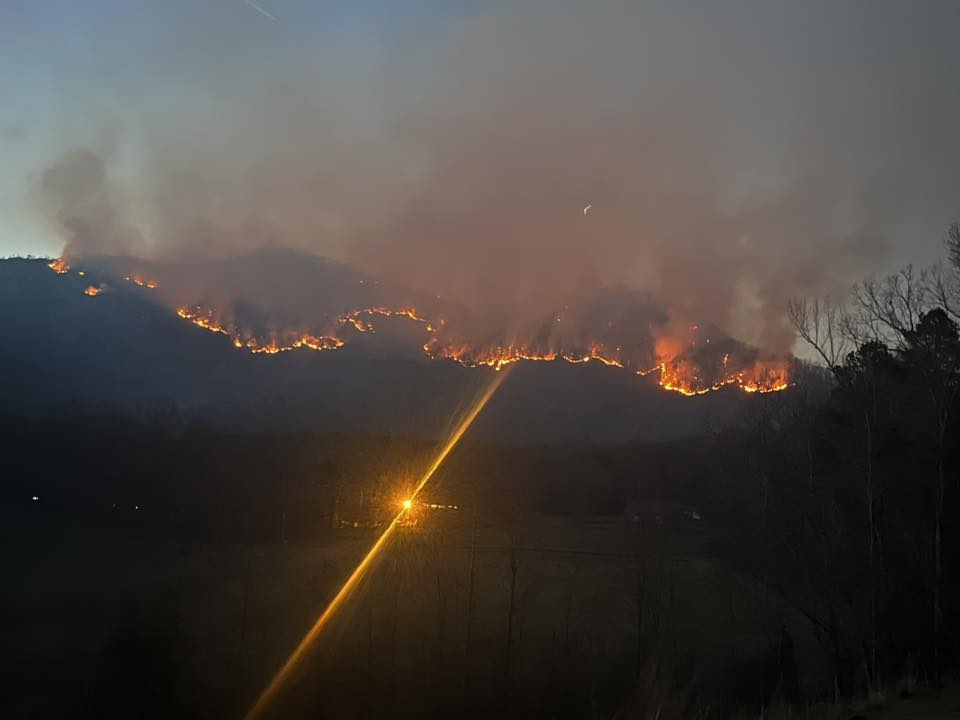
These coordinated responses reflect decades of investment in regional frameworks that allow the South to move resources efficiently across state lines when and where they’re needed most.
Advancing Federal Policy that Reflects Southern Forestry Realities
SGSF maintained an active presence in federal policy discussions throughout 2025, ensuring southern perspectives were represented in conversations that shape forestry, wildland fire and land management nationwide.
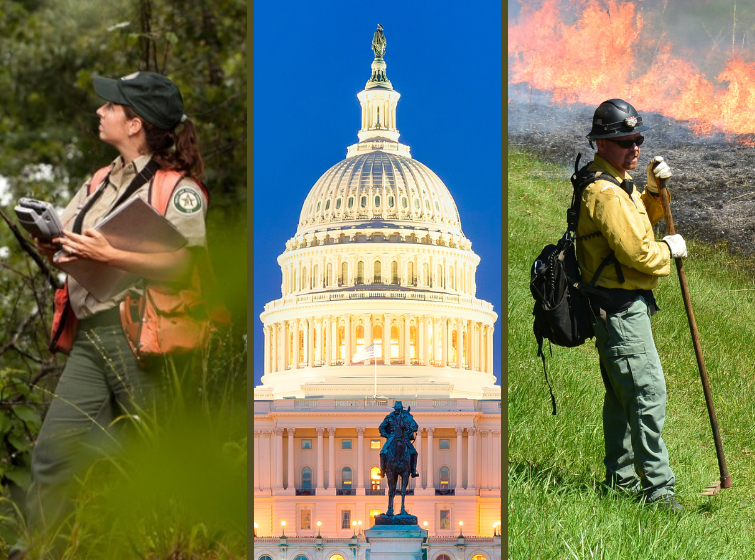
Working on behalf of its member agencies, and in collaboration with the National Association of State Foresters and other key partners, SGSF:
- Provided coordinated input on federal forestry and wildfire legislation impacting southern states
- Engaged with congressional staff, federal partners and national partners to elevate region-specific needs
- Continued to emphasize the importance of state leadership, private landownership, and commonsense science-based forest management in congressional decision-making
By aligning policy priorities across states, SGSF helped reinforce a consistent message: solutions for southern forests must account for the region’s unique ownership patterns, working forest landscapes and year-round wildfire risk.
Federal-State Partnerships on Display
SGSF member agencies continued to demonstrate the strength of federal–state partnerships in the South.
During Fire Prevention Week, southern state forestry agencies worked closely with the USDA Forest Service Southern Region to ensure a major wildfire prevention exhibit at Hartsfield-Jackson Atlanta International Airport continued as planned. State agencies coordinated staffing support, Smokey Bear appearances, and prevention messaging to help keep wildfire awareness visible to the public.
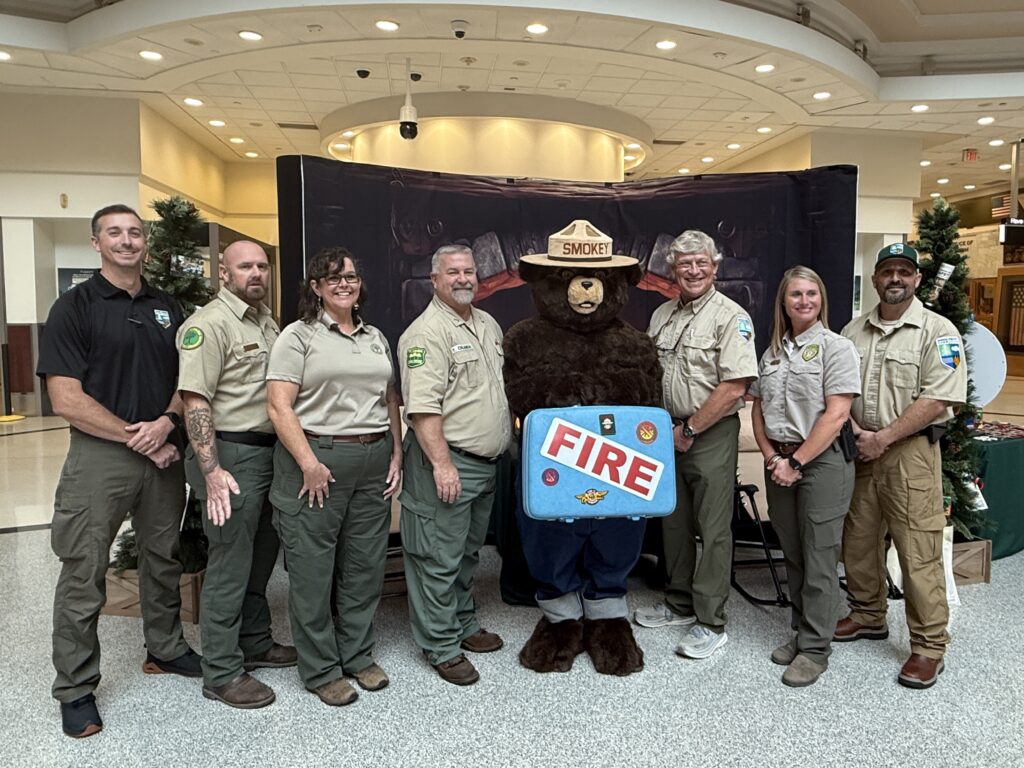
The effort reflected the strength of the partnership between state forestry agencies and the U.S. Forest Service, as well as a shared commitment to public engagement and wildfire prevention. By working together, partners ensured the exhibit reached millions of travelers during one of the busiest travel periods of the year.
Making Strides: State-Led Disaster Recovery
A key area of progress in 2025 was advancing recovery tools for private forest landowners impacted by recent hurricanes.

SGSF, working alongside the National Association of State Foresters and a coalition of forestry organizations, championed the inclusion of both timber block grants and state-delivered disaster recovery funding through Cooperative Forestry Assistance Act programs in federal supplemental legislation passed in late 2024.
By the end of 2025, state forestry agencies were actively implementing these programs, finalizing USDA guidance, launching application portals, and conducting targeted outreach in the most heavily impacted areas. The state-led delivery model offers flexibility, responsiveness, and local knowledge that will help stabilize rural economies, reduce secondary forest health risks, and accelerate landscape-scale restoration across hurricane-affected regions.
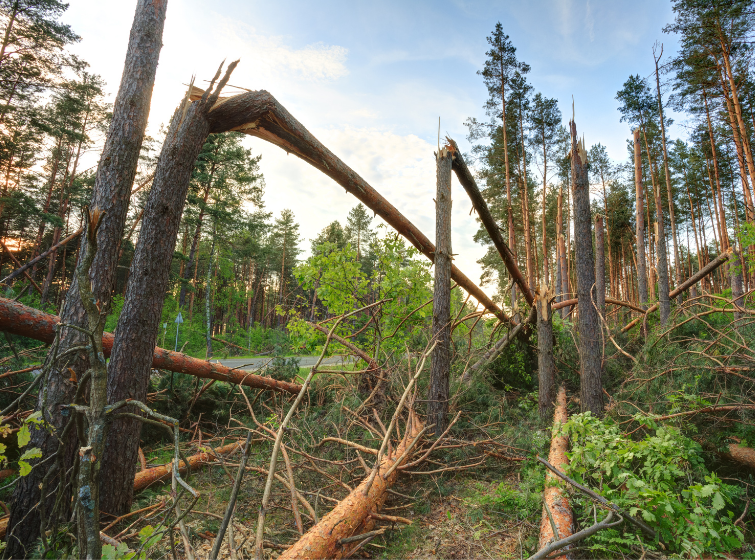
This represents the first significant infusion of disaster recovery funding specifically tailored to forest landscapes, filling a critical gap for private forest landowners who manage the majority of the South’s forests.
Advancing Shared Stewardship Across the Region
Southern states made steady progress on Shared Stewardship agreements in 2025, with Georgia, Mississippi, Alabama, Texas, Arkansas and Virginia advancing their efforts throughout the year.
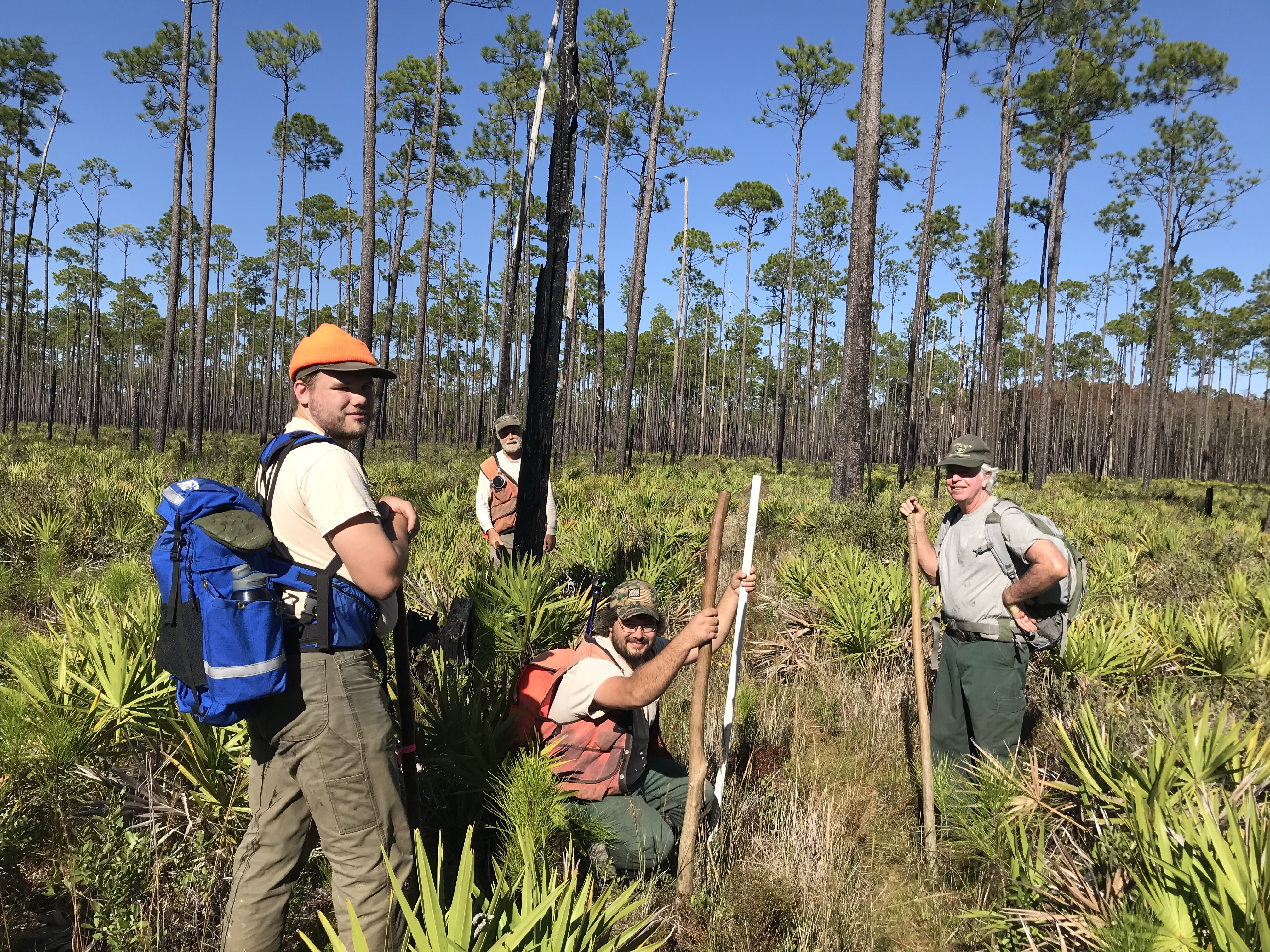
SGSF coordinated with the USDA Forest Service Region 8 and Washington Office to support development of a unified agreement template, creating a more streamlined and consistent framework for states and National Forests across the South. This regional approach respects state-specific priorities while supporting the cross-boundary coordination needed to translate planning into on-the-ground outcomes.
Investing in People and Innovation
SGSF supported groundbreaking work in 2025 that strengthened both practice and people across the southern forestry community.
The Choctaw Nation of Oklahoma, USFS Region 8 Fire and Aviation Management, and the Southeast Regional Strategy Committee co-hosted the region’s first Fire Management Technology Workshop at Daisy Ranch.

The event drew 55 participants from 16 agencies and showcased fuels management innovations, UAV/UAS aerial ignition, next-generation fire behavior modeling, and risk assessment tools including regional QWRA models. Participants toured the Choctaw Nation’s Emerging Aviation Technology Center, a cutting-edge UAS facility operating under the FAA BEYOND program.

SGSF also remained actively engaged with the Post-Helene Wildland Fire Research and Decision Support Group, which combined updated LANDFIRE and HiForm data with field observations to improve fire behavior forecasting in hurricane-impacted forests. Insights from the Spring 2025 Wildfire Review are now refining modeling and decision-support tools for future wildfire seasons across the Southern Appalachians.

Recognizing that workforce well-being is foundational to effective operations, the Southeast Regional Strategy Committee developed the Employee Emotional & Mental Health Awareness Resource Guide specifically for forestry and wildfire professionals. The guide includes assessment tools for recognizing burnout and anxiety, extensive lists of national and state-specific counseling services tailored to first responders, and strategies for building peer support networks.
Looking Ahead to 2026
The Southern Group of State Foresters will gather June 1-4, 2026 in Fort Myers, Florida for its Annual Meeting under the theme “Southern Forests: Building a New Economic Era.” The theme reflects both opportunity and urgency. Across the U.S. South, the forest industry employs over 1.3 million people and generates more than $250 billion in economic output annually, anchoring rural communities from east Texas to the Virginia piedmont. At the same time, the region stands at the forefront of wood innovation, from mass timber construction and sustainable aviation fuel to nanocellulose and bio-based materials that are reshaping how America uses renewable resources.
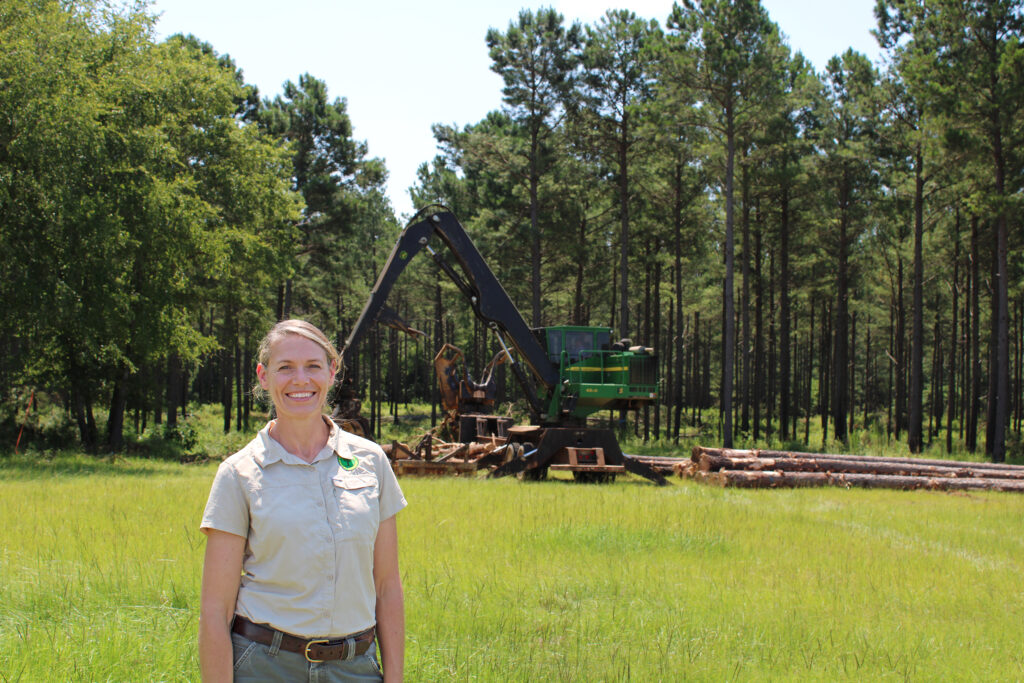
As the South navigates both traditional market challenges and emerging opportunities, SGSF is intensifying efforts to communicate the value of southern forests and champion policies that strengthen forest economies, advance forest health, and support the data and wildfire readiness that underpin resilient landscapes. The year ahead will bring increased focus on telling the story of how working forests drive rural prosperity, support American manufacturing independence, and deliver the economic, environmental and societal benefits that our communities depend on.

The work from 2025 continued to demonstrate what’s possible when state forestry agencies work together, supported by strong partnerships and guided by a clear regional vision. As we move into 2026, that momentum continues with a focus on ensuring southern forests remain economically viable, ecologically healthy and supportive to the communities that depend on them.
